
Benefits of Lab Grown Diamonds
Explore lab grown diamonds: their origins, manufacturing process, and how their efficient production leads to significant cost savings compared to natural diamonds. Wondering if a lab diamond suits you? Uncover insights in our comprehensive guide crafted by our experts in cultivated diamonds.

Explore Lab Grown Diamonds by Shape
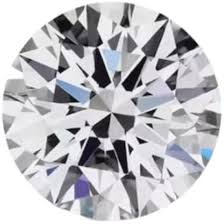
Round

Oval
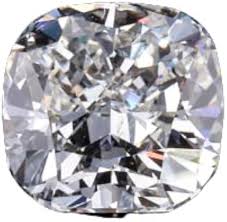
Cushion
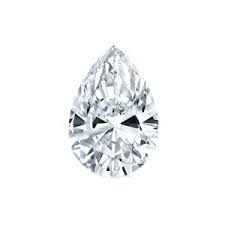
Pear
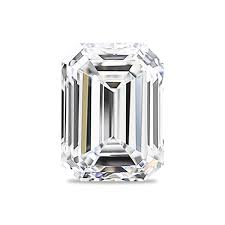
Emerald
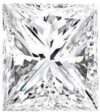
Princess
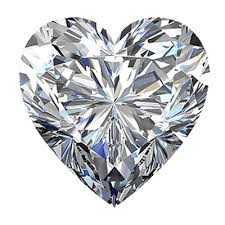
Heart
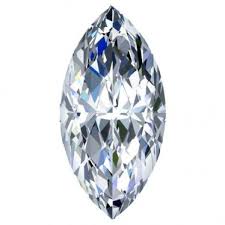
Marquise
Asscher

Rediant
Popular Choices: Lab Created Diamond Rings
-
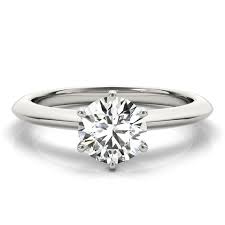
Astor
$850.00 -
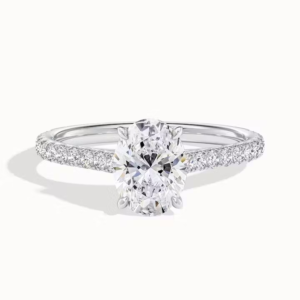
Bardot Scallop
$1,150.00 -
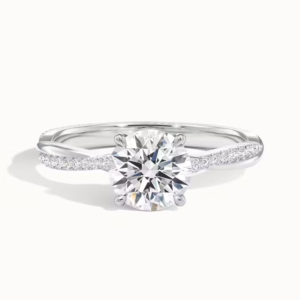
Blondel Scallop
$1,450.00 -
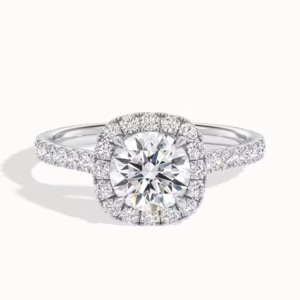
Classic Kelly
$1,850.00
What exactly are lab created diamonds?
A lab grown diamond is synthesized in a controlled laboratory environment to replicate the natural process of diamond formation. Despite being visually, chemically, and physically indistinguishable from natural diamonds, lab created diamonds can be significantly more affordable, costing up to 85% less. They are also considered a sustainable alternative to mined diamonds.
What are lab created diamonds commonly referred to as?
Lab grown diamonds are often known as cultivated diamonds, man-made diamonds, or synthetic diamonds, reflecting their origin in a laboratory rather than from natural geological processes.
For personalized guidance in selecting a lab grown diamond that fits your budget and preferences, schedule a consultation with our expert gemologists at our Hatton Garden showroom.
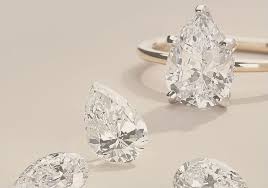
Are artificial diamonds classified as real diamonds?
lab diamonds are genuine diamonds, sharing optical, chemical, and physical characteristics identical to natural, mined diamonds. The popularity of lab grown diamonds has surged recently due to advancements in manufacturing techniques and technology, resulting in diamonds that are undeniably real, cost-effective alternatives.
Our gemology experts provide a comprehensive exploration into the process of growing lab diamonds, how they compare (and sometimes differ) from natural diamonds and other diamond alternatives. We delve into the nuances of grading, certification, and pricing of synthetic diamonds. By the end, you’ll have the knowledge to determine whether a lab grown diamond ring aligns with your preferences and priorities.
Unique Lab Diamond Ring Ideas
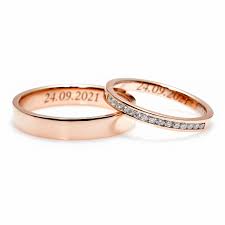
Flat Court

Light Flat Court
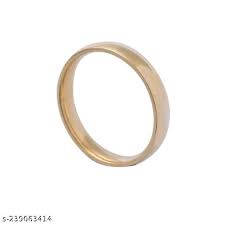
Bushed matte D Shape
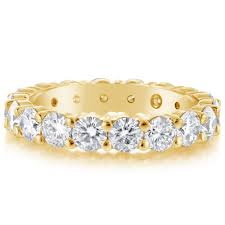
Diamond ring
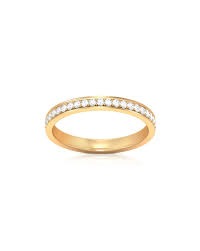
Pave
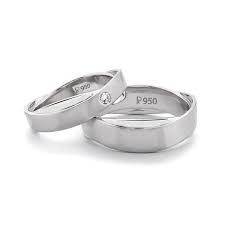
Light flat court with diamong
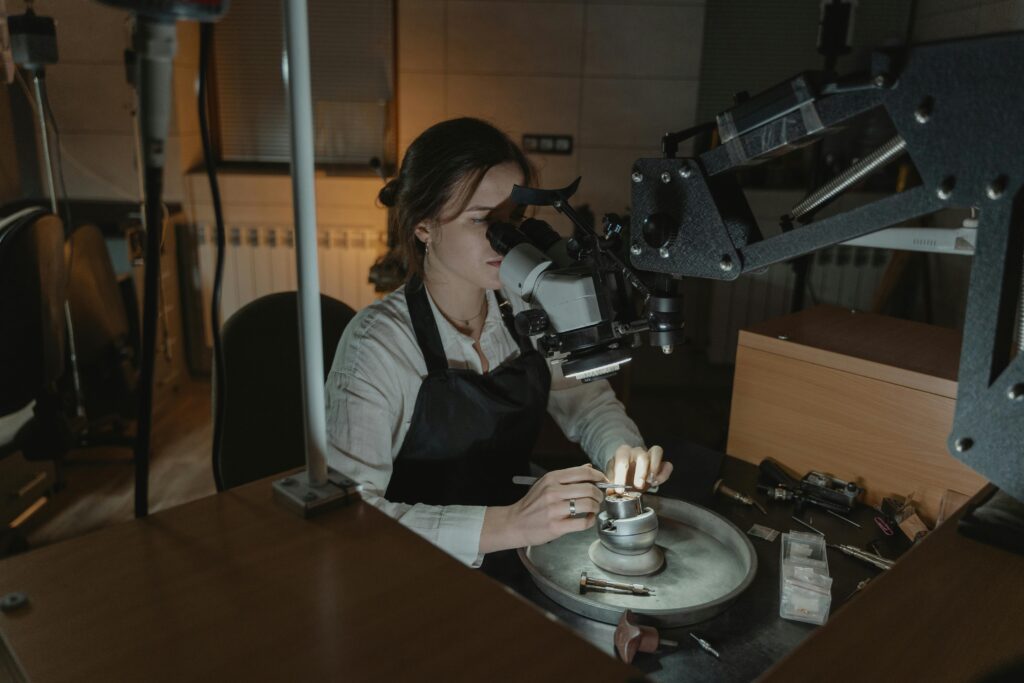
Lab-grown diamonds are virtually indistinguishable from natural diamonds and are recognized as genuine diamonds. Due to their efficient production methods, lab diamonds are significantly more affordable compared to their natural counterparts.
Janny | Gemologist
How do lab-grown diamonds compare to natural diamonds?
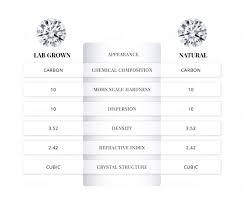
One of the most common questions is whether lab-grown diamonds are genuine diamonds. The answer is unequivocally yes. Diamonds produced in a laboratory are indistinguishable from natural diamonds both visually and chemically. They exhibit the same physical properties and characteristics as diamonds formed naturally. As a result, lab-grown diamonds pass all tests and examinations as genuine diamonds. While specialized laboratory equipment can identify their origin, even expert gemologists cannot differentiate them from natural diamonds by visual inspection or under high magnification. Below, explore the scientific parallels between natural and lab-grown diamonds.
What is the process for producing lab-created diamonds?
Natural diamonds, a marvel of nature, form deep within the Earth’s mantle where pure carbon undergoes extreme heat and pressure, crystallizing over millions of years. These diamonds reach the surface through volcanic eruptions.
In contrast, lab-grown diamonds replicate these natural conditions in a controlled laboratory setting. There are two primary methods: HPHT (high pressure, high temperature) and CVD (chemical vapor deposition).
HPHT involves subjecting graphite (pure carbon) to intense pressure and heat using electric pulses, often over several days, until it crystallizes into diamond. CVD, on the other hand, uses a diamond seed in a chamber filled with carbon-rich gas. Under high heat, the gas breaks down into carbon atoms that deposit onto the seed, gradually forming a diamond. HPHT generally produces higher-quality diamonds as CVD can result in internal imperfections and a brownish tint. Post-growth treatments are sometimes needed for CVD diamonds to enhance their appearance, whereas HPHT diamonds typically do not require such treatments and are renowned for their gem-quality clarity.
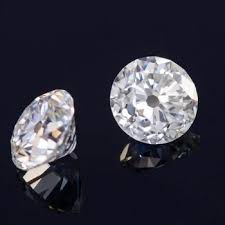
Exploring Virtual and In-Store Consultations
Ready to examine diamonds that have been carefully selected for your viewing?
What is the price range for lab-grown diamonds?
Advancements in lab diamond creation techniques and technology have significantly reduced their cost, making them 60% to 85% cheaper than natural diamonds. This price difference has further decreased in recent years. Lab-grown diamonds are more affordable primarily due to lower production costs and less demand compared to mined diamonds. Additionally, there is uncertainty about their future value as investments. Unlike natural diamonds, which have established resale markets, the resale value of lab-grown diamonds remains uncertain. This uncertainty has tempered their global market price.
As ethical considerations gain prominence, the demand for lab-grown diamonds may increase. However, some jewelers still do not offer them, contributing to their relatively lower demand compared to natural diamonds. For more information, you can compare lab diamond prices with natural diamonds using our Lab Diamonds Price & Value guide.
How do lab diamonds compare to natural diamonds in terms of ethical sourcing?
lab grown diamonds offer a reliable way to ensure your diamond has been ethically produced and sourced. In essence, lab grown diamonds are considered more ethical compared to mined diamonds. The demand for ethical diamonds is growing as consumers, NGOs, and international bodies like the UN advocate for an end to the trade of conflict diamonds.
Efforts such as the UN’s Kimberley Process have significantly reduced the global trade in conflict diamonds by 99.8%. While mined diamonds in the UK market are largely conflict-free, opting for lab grown diamonds guarantees 100% transparency regarding their ethical origins.
Are lab created diamonds environmentally friendly?
When considering environmental impact, lab grown diamonds offer a more sustainable alternative compared to mined diamonds, which require extensive land disruption. However, the production of lab diamonds consumes significant energy, typically ranging from 250 kWh to 750 kWh per carat. Advances in technology are steadily reducing this energy requirement, with some producers claiming as low as 20 kWh per carat. Moreover, an increasing number of lab diamond manufacturers are transitioning to solar-powered facilities, further minimizing their environmental footprint.
Whether opting for a lab grown or mined diamond, ethical sourcing is paramount. It’s crucial to purchase from reputable jewelers committed to transparency and ethical practices. At Queensmith, we partner exclusively with renowned suppliers who adhere to strict standards, ensuring our diamonds are GIA and IGI certified for both mined and lab grown selections.
What makes lab grown diamonds a preferred choice?
- Lab grown diamonds are typically more affordable than natural, mined diamonds of the same carat weight. This allows for a larger stone within the same budget, like upgrading from a 0.5-carat to a 1-carat engagement ring.
- From a scientific and visual standpoint, lab created diamonds are indistinguishable from mined diamonds.
- Lab grown diamonds are produced without mining land, making them a more environmentally sustainable choice.
- Choosing lab grown diamonds provides greater assurance of ethical sourcing compared to mined diamonds.
- A lab diamond possesses the same enduring brilliance as a natural diamond, virtually indistinguishable even to qualified gemmologists. Only specialized lab equipment can differentiate between natural and lab diamonds.
Consult with Our Jewellery Expert
Allow our team of skilled gemologists, craftsmen, and designers to assist you in crafting a uniquely personalized piece of jewelry.

How Lab Diamonds Are Made
Comparing Natural and Lab-Grown Diamonds
Value Comparison
Lab Diamond Production Methods
Differences Between CVD and HPHT Diamonds

Customer Support
Do you have additional questions? No problem, let us help you through the process
Comparing Natural and Lab-Grown Diamonds
How real are lab-created diamonds?
Lab-grown diamonds are indeed genuine diamonds, cultivated in a controlled laboratory environment that mimics natural processes.
How are diamonds created in labs referred to?
Lab-grown diamonds are known by various terms, including man-made diamonds, artisan-created, synthetic, or cultured diamonds. These names indicate that the diamonds are created in a controlled laboratory environment. It’s crucial to understand this distinction, especially with gemstones like Moissanite, which is also synthetic but has a different chemical composition and is considered a diamond simulant rather than a genuine diamond.
Do lab-created diamonds pass as natural diamonds in tests?
Yes, lab-created diamonds will test as real diamonds because they are chemically, physically, and optically identical to natural diamonds. They are considered genuine diamonds. Specialized equipment can distinguish between lab-created and natural diamonds, and the diamond’s origin is documented on its certificate.
Do lab-created diamonds have the same longevity as natural diamonds?
Yes, lab-created diamonds have the same durability as natural diamonds. Their composition is identical to natural diamonds, both scoring 10 on the Mohs scale of hardness, making them extremely resistant to scratches, abrasion, and breakage.
Why do lab-grown diamonds cost less than natural diamonds?
Lab-grown diamonds are produced in a matter of weeks in compact laboratories with a skilled workforce, while natural diamonds require extensive land, excavation, infrastructure, and a workforce, along with the time needed to discover the diamonds. The main reason lab-grown diamonds are considerably less expensive than natural diamonds is due to their more efficient and cost-effective production process.
Choosing a Lab-Grown Diamond
Where are lab-created diamonds sold in other country?
The market for lab-created diamonds in the UK engagement ring sector is still relatively new, with few retailers offering lab-grown diamond engagement rings and jewellery. Queensmith is leading the way in embracing and showcasing lab-grown diamonds alongside our bespoke engagement ring and jewellery services.
Once we understand your budget and preferences, our gemmologists will curate a selection of top-quality lab-grown diamonds within your specified budget. We’ll then arrange a meeting to discuss your engagement ring or jewellery design.
To explore our offerings, you can schedule an appointment either online or at our store to meet with our diamond and design experts.
What emotional significance do lab-created diamonds hold?
The choice is personal. Some cherish the romantic narrative behind naturally formed diamonds, shaped over billions of years, rare, precious, and possibly nature’s most captivating creation. Others prioritize the ethical aspect of lab-grown diamonds, admiring the scientific achievement in replicating what nature took billions of years to accomplish. It’s a debate between the forces of nature and the marvels of science—where do you stand?
How do I select the ideal lab-grown diamond for my engagement ring?
Choosing the perfect lab-grown diamond for your engagement ring follows a similar process to selecting a natural diamond. If you’ve opted for a lab-grown diamond ring, consider these steps:
- Determine your approximate budget.
- Select the ring style you prefer and allocate funds for the diamond accordingly.
- Decide on the diamond shape that appeals to you.
- Look for diamonds with excellent cut (round diamonds) or excellent polish and symmetry (other shapes), D to F color grades, and VS2 to SI1 clarity.
- Prioritize diamonds with excellent cut for optimal brilliance and sparkle.
- Seek guidance from qualified gemological experts to understand diamond characteristics, identify any imperfections, and find the best value diamonds within your budget. For personalized advice or a quote, contact our experts.
For more information on choosing the best diamond for your engagement ring, explore further resources or consult with our team.
Is it possible to get insurance for my engagement ring with lab-grown diamonds?
Yes, insuring your lab-grown diamond engagement ring is highly recommended. It’s a valuable investment, and insurance helps protect it against loss, theft, or damage. The insurance premiums for lab-grown diamonds are typically lower than those for mined diamonds. When obtaining insurance, your chosen insurer will likely require a copy of your purchase invoice to establish the ring’s value for coverage purposes.
Value Comparison
What is the price difference between lab grown diamonds and natural diamonds?
Lab grown diamonds generally cost 60% to 85% less than natural diamonds. This significant price difference stems from the more efficient and cost-effective manufacturing process of lab diamonds compared to the extensive mining process required for natural diamonds. Larger carat weights often exhibit a more pronounced price disparity between natural and lab diamonds, even when they are otherwise identical in quality.
Do lab grown diamonds hold their value over time?
The future market value of lab-grown diamonds remains uncertain, given their relatively recent introduction to the market. It’s unclear whether lab diamonds will become more affordable in the future, potentially widening or narrowing the price gap between them and natural diamonds. In terms of resale value, it’s expected that lab diamonds may fetch around 30% to 40% less than their original purchase price, which is comparable to the resale value of natural diamonds.
What certification should I look for when buying lab-created diamonds?
The most recommended certifications for lab grown diamonds are IGI and GIA. IGI offers a detailed grading system specifically tailored for lab diamonds, while GIA provides broader grade ranges, particularly known for their extensive grading of natural diamonds, which are highly regarded globally.
Lab Diamond Production Methods
How much time does it take to create a lab created diamond?
Lab grown diamonds generally develop within a span of 2 to 4 weeks. This timeline can be expedited by introducing additional elements such as nitrogen, although this may result in the diamond acquiring a yellowish tint.
Do lab created diamonds test as natural diamonds?
Yes, lab grown diamonds are considered real diamonds as they possess identical chemical composition to natural diamonds found in nature. However, specialized laboratory equipment can distinguish between lab grown and natural diamonds.
Do lab created diamonds come in various colors?
Yes, lab grown diamonds are available in a variety of fancy colors, such as yellow, blue, pink, orange, green, red, and black. In natural diamonds, these colors are caused by trace elements like boron in blue diamonds and nitrogen in yellow diamonds. Similarly, in lab grown diamonds, scientists can control the introduction of trace elements during the diamond creation process to achieve desired colors.
Differences Between CVD and HPHT Diamonds
Do CVD diamonds undergo any enhancements?
Typically, after their formation, many CVD diamonds undergo treatments aimed at improving their clarity and color grades. In contrast, a smaller proportion of HPHT lab-grown diamonds require such enhancements post-growth to achieve desired aesthetics. It’s worth noting that some CVD diamonds are naturally of gem quality upon creation and do not require treatment, a characteristic also observed in natural diamonds. Information regarding treatments applied to a diamond is usually detailed on its certification documentation.
Are CVD diamonds considered genuine diamonds?
Yes, CVD diamonds are genuine diamonds. They are not synthetic; instead, they are identical to natural diamonds in every aspect. Some may mistakenly refer to CVD diamonds as ‘artificial diamonds,’ but this term inaccurately describes the process of their creation rather than the diamonds themselves. This terminology is becoming less common in the industry due to its potential for confusion.
Between CVD and HPHT diamonds, which option is superior?
Many professionals in the diamond industry generally consider HPHT diamonds to be of higher quality compared to CVD diamonds. CVD diamonds, due to their rapid growth process, often exhibit internal marks and graining issues. Additionally, they can have inherent brown undertones, necessitating post-growth treatments for enhanced appearance. In contrast, HPHT diamonds are typically produced to a higher standard and may not require additional treatments post-growth.
Explore More
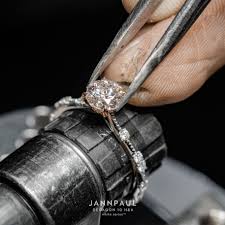
What is the process for creating lab-grown diamonds?
Created in a laboratory, lab-grown diamonds can be produced through two methods: CVD (Chemical Vapor Deposition) or HPHT (High Pressure High Temperature). Discover how these processes mimic nature to create diamonds that are identical to those found in the earth.

Comparing Lab-Grown and Natural Diamonds
Lab diamonds are genuine diamonds with the same chemical and physical properties as natural diamonds – just created by humans! Discover their similarities and differences with our detailed guide crafted by experts
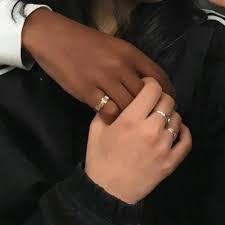
The Basics of CVD Diamonds
CVD diamonds are chemically identical to natural diamonds but are created in a laboratory using Chemical Vapor Deposition.CVD diamonds are chemically identical to natural diamonds but are created in a laboratory using Chemical Vapor Deposition.
Need help choosing the perfect ring?
Get in touch with our experts - we’re on hand to help.
- + 91 12345 67890
- Live Chat
- Visit our showroom
- Send us an email
- Book Appointment
- Help & FAQs
ShimmerShack
You can easily edit this paragraph to talk about your brand as well as your products to your potential customers.
Reach Us
- Lorem ipsum dolor sit amet, consectetur adipiscing elit. Quisque.
- Phone: +91 1234567890
- test@gmail.com